
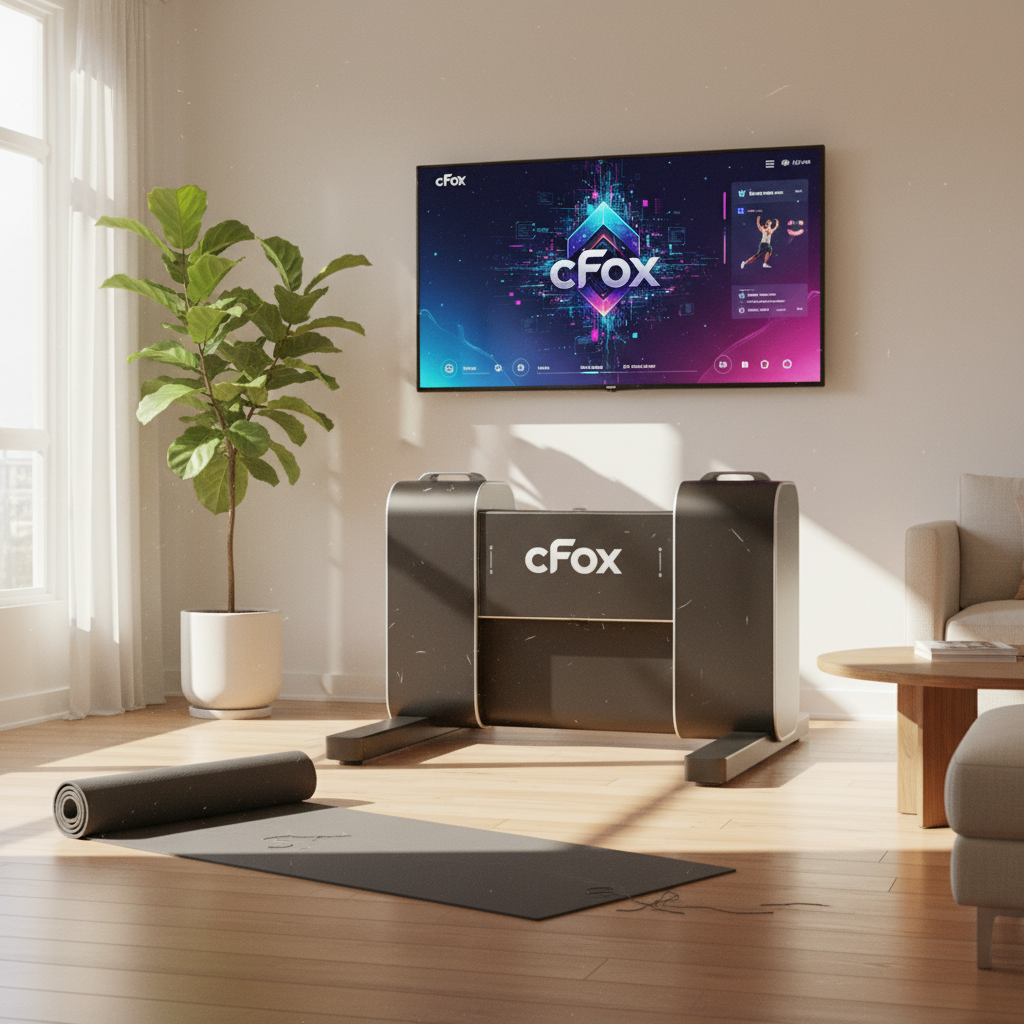
AI-powered workout apps are revolutionizing how people exercise at home. These apps offer tailored training plans and real-time feedback, adapting to individual fitness levels in minutes. For example, tools listed on Unite.AI show how AI can adjust routines for beginners and pros alike, ensuring everyone gets personalized guidance. These apps also help improve posture, speed, and strength, making workouts more effective.
For those looking to upgrade their home fitness setup, the FitTransformer is a game-changer. Launched in September 2025, this modular smart gym uses AI to customize workout routines based on user data. By analyzing performance and preferences, it ensures at-home workouts are as effective as sessions with a professional trainer. This innovation removes the need for expensive gym memberships, bringing high-quality training into living rooms around the world.
Professional gyms are also leveraging AI to enhance training experiences. Apollo Gymnastics in Woodbridge, as noted in a Yelp review, uses AI to tailor sessions and track progress more effectively. Gym-goers receive personalized schedules and coach recommendations, helping them achieve their fitness goals efficiently. This blend of technology and human expertise is making gym visits more productive and enjoyable.
Coding models like Qwen3-Coder are playing a pivotal role in fitness tech development. These models enable apps to analyze vast amounts of workout data, offering detailed insights and setting achievable goals. Fitness tracking has never been more sophisticated, allowing users to monitor progress in real time and make informed adjustments to their routines. This level of detail was unimaginable just a few years ago.
However, the rise of AI in fitness comes with regulatory challenges. The UK Online Safety Act and the EU Digital Services Act emphasize the need for oversight to ensure AI remains beneficial and safe. Fitness apps must prioritize ethical use, much like other digital services, to maintain user trust and prevent potential misuse. This regulatory framework is essential as AI tools become more integrated into daily fitness routines.
AI’s influence extends to hybrid and casual workouts as well. Websites listing splash pads near Griffith Park and community fitness locations in Los Angeles demonstrate how AI optimizes outdoor activities. By analyzing local amenities and user preferences, AI helps users create varied and enjoyable fitness routines. This highlights AI’s potential to enhance not just intense training but also casual, fun exercises.
Behind the scenes, technologies like ONNX Runtime are streamlining fitness apps. These backend tools allow for seamless integration of AI models, freeing developers to focus on improving user experiences. Efficient backend processes ensure that fitness apps run smoothly, providing reliable performance and minimal downtime. This technical backbone supports the growing demand for advanced fitness technologies.