
Agentic AI is quietly rewriting the rules of storytelling.
Take Spike Jonze’s 2013 film “Her,” which features an AI assistant so lifelike that audiences empathize with it. This reflects real-world advancements in Agentic AI, where systems now adapt to users’ emotions and preferences—not just algorithms spitting out responses. Companies like Replika have built AI companions that learn from conversations, creating stories that feel deeply personal.
The biggest shift lies in collaboration. Unlike traditional tools that follow pre-set scripts, Agentic AI offers dynamic co-creation. Consider the AI Dungeon game, where players shape narratives in real time, and the AI generates dialogue, settings, and twists on the fly. This mirrors how tools like Character AI now let writers and AI partners brainstorm ideas together, breaking creative silos.
AI-generated stories are finding their way into mainstream entertainment. In 2023, algorithms wrote episodes of the sci-fi podcast “The Edge of Sleep,” blending human direction with AI-generated plot twists. This approach reduces production costs while introducing fresh narrative angles. The result? Content that surprises even its creators.
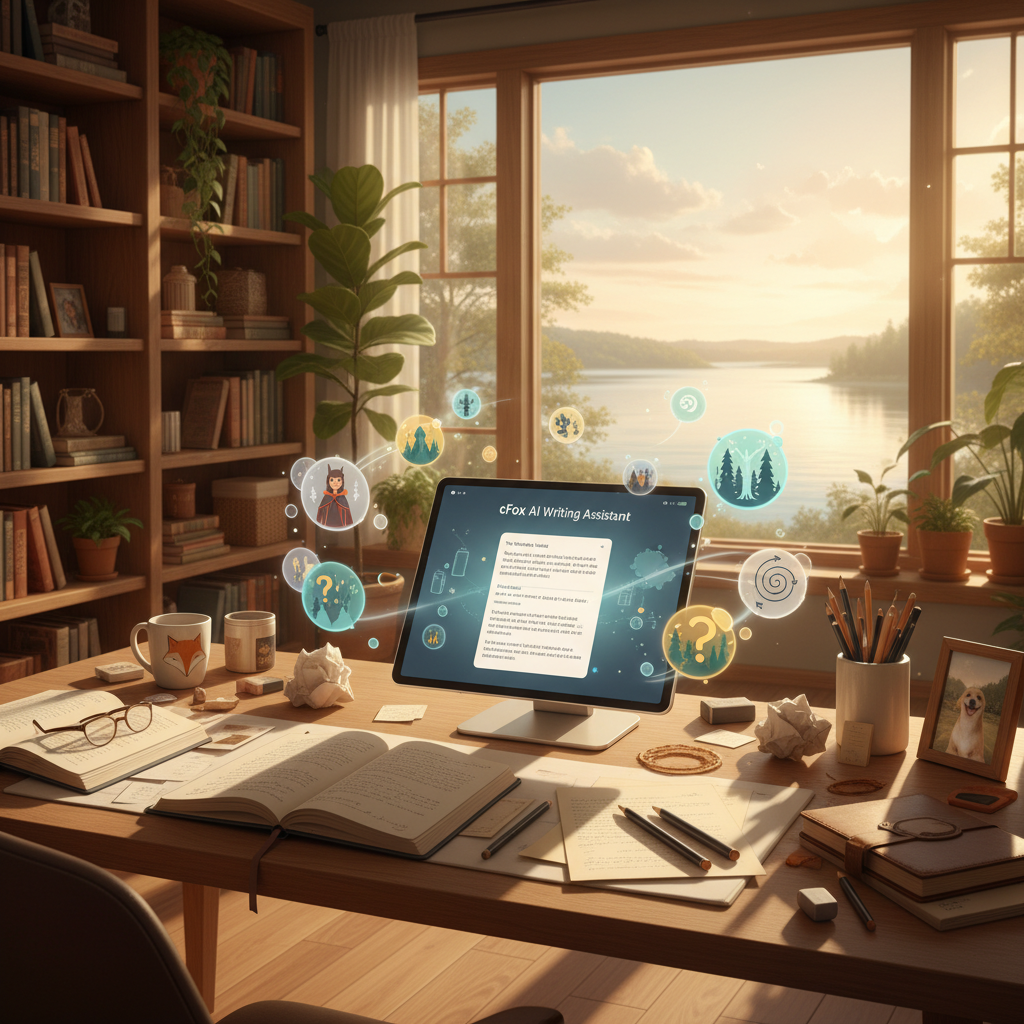
At its core, Agentic AI thrives on autonomy. Unlike passive bots, these systems anticipate needs, like an AI writing assistant that drafts a plot outline after analyzing a writer’s past work. Platforms like Jasper use this to help authors bypass writer’s block, suggesting scenes or characters that fit their style.
Challenges remain, though. Copyright debates rage over ownership of AI-assisted stories. Clear guidelines are emerging in the industry, with organizations like the Authors Guild pushing for transparency in AI contributions. Even so, the benefits are undeniable—and the creativity unmatched.
For creators, the future is clear: collaboration, not replacement. Agentic AI won’t steal jobs, but it will revolutionize how stories are told. The final act of creativity remains in human hands, with AI lighting the way through the plot twists.