
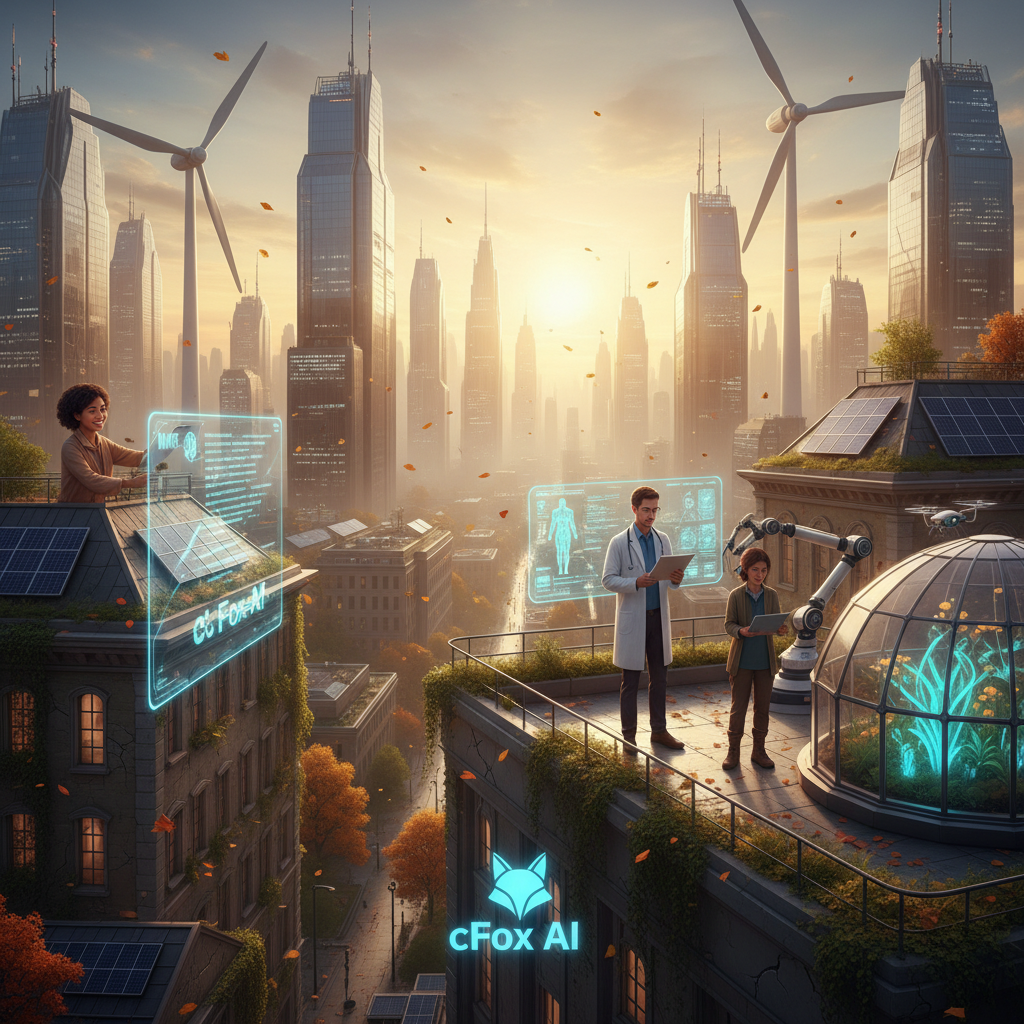
In a world dominated by algorithms and automation, humans remain the driving force behind every breakthrough. Every AI model, no matter how advanced, relies on human creativity, empathy, and critical thinking to shape its purpose. Consider the development of assistive technologies like speech recognition software. While AI processes vast amounts of data to improve accuracy, human speech therapists and software engineers collaborate to ensure tools like Dragon NaturallySpeaking effectively meet the needs of people with disabilities.
Technology amplifies human potential, not the other way around. Take the example of IBM’s Watson. The supercomputer’s medical breakthroughs stem from human doctors feeding it decades of medical research and patient case histories. Without human input, Watson would be just a collection of code with no practical application. This interplay highlights that machines don’t replace humans; they augment human capabilities.
Human intuition plays a key role in problem-solving. When self-driving cars encountered unexpected scenarios on the road, human engineers had to step in to tweak algorithms based on real-world intuition. Tesla’s Autopilot improvements, for instance, only became safer after human teams analyzed rare accidental overlaps between humans and AI driver errors.
Collaboration is the secret sauce of innovation. The team behind DeepMind’s AlphaFold, which transformed protein folding predictions, combined computational power with insights from biologists and chemists. Their success was not just about faster processing but about interpreting the results in ways that traditional computer science alone could not. This blend of disciplines was crucial for identifying real-world applications.
Creativity remains uniquely human. Even in AI-generated art, humans set the parameters and define the aesthetic vision. For example, artists using DALL-E 3 as a tool still bring their unique perspectives to guide its output. The final work, whether it’s a piece of generative art or a strategic business plan, reflects human values and priorities.
Ethics and empathy guide responsible tech development. As AI systems like facial recognition face scrutiny, human organizations like the Algorithmic Justice League push for fairness. They ensure that biases in AI tools are identified and addressed, proving that moral oversight remains a human prerogative. It’s society setting boundaries for its technologies, not machines deciding for themselves.
Ultimately, the future of technology is not about AI replacing humans but about humans and machines working together. Every technological advancement, from Alexa’s voice recognition to CRISPR gene editing, begins and ends with human curiosity and compassion. In the digital age, it’s human traits—like creativity and moral judgment—that will continue to guide progress.