
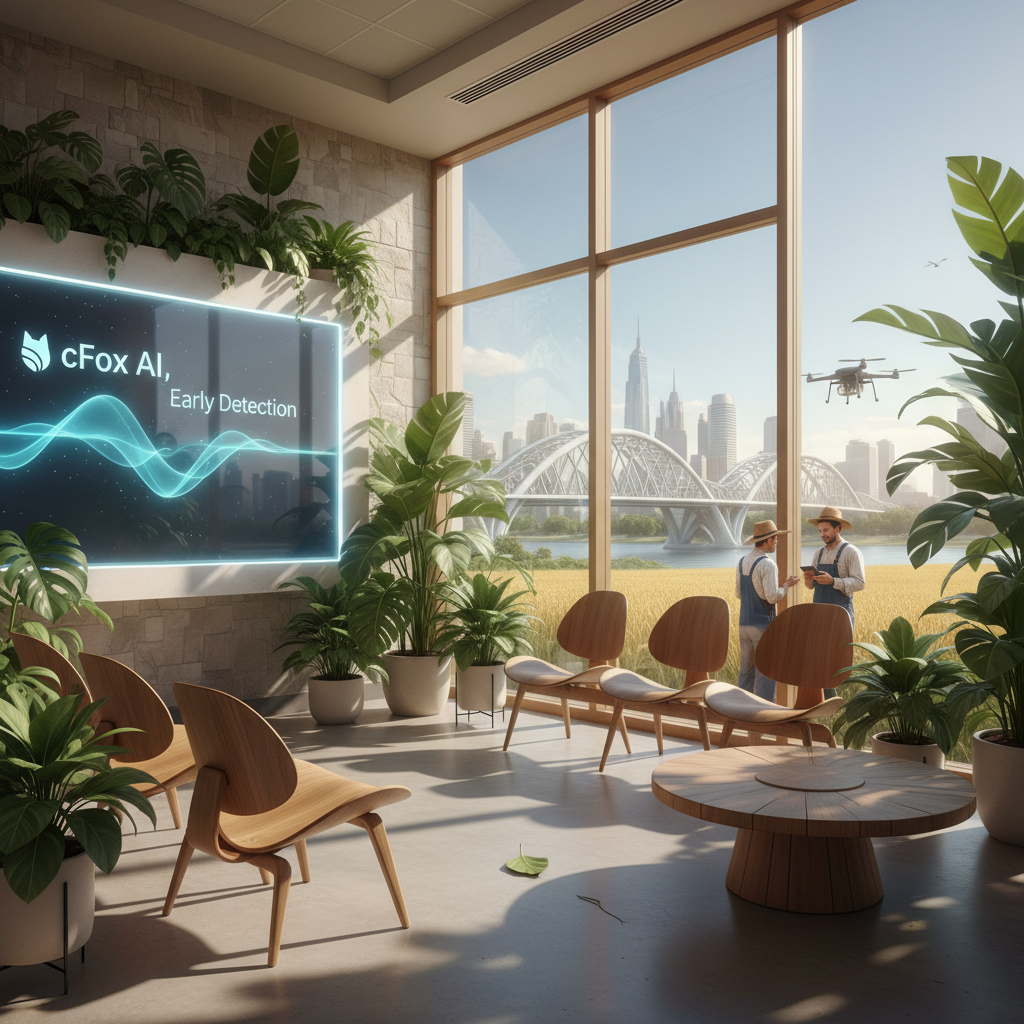
Technology isn’t just about gadgets—it’s about solving problems that matter. In re-generatively learning-funded medicine, AI helps doctors detect diseases earlier and more accurately than ever before. For example, in 2022, a collaboration between tech companies and hospitals reduced breast cancer misdiagnoses by 20% using AI-driven image analysis.
Human-centered design transforms how technology fits into daily life. Take the MX3D Bridge in Amsterdam, a 3D-printed steel bridge that blends art and engineering. The project used data to ensure stability and aesthetics, proving tech can beautify cities while solving infrastructure challenges.
Accessibility tech is changing lives one innovation at a time. Apple’s VoiceOver feature, launched in 2005, turned smartphones into lifelines for visually impaired users. Today, more than 200 million people rely on screen readers to navigate the digital world.
Sustainability meets innovation in agriculture with precision farming tools. Drones equipped with sensors monitor crop health and optimize water use, like in California’s central valley, where farmers reduced water waste by 30% using drone data.
Community-driven tech initiatives are tackling global crises. During the COVID-19 pandemic, online platforms like GoFundMe raised over 1 billion dollars for medical relief, proving tech can mobilize people to support collective challenges.
Technology’s real power lies in how it fosters connections. Video calling platforms kept families together during lockdowns, with Zoom reporting 300 million daily participants at its peak. When used ethically, tech bridges gaps like never before.
The key takeaway? Technology’s value is measured by its impact on human lives. From healthcare to sustainability, the best innovations focus on people, proving that great tech solutions are always rooted in empathy.