
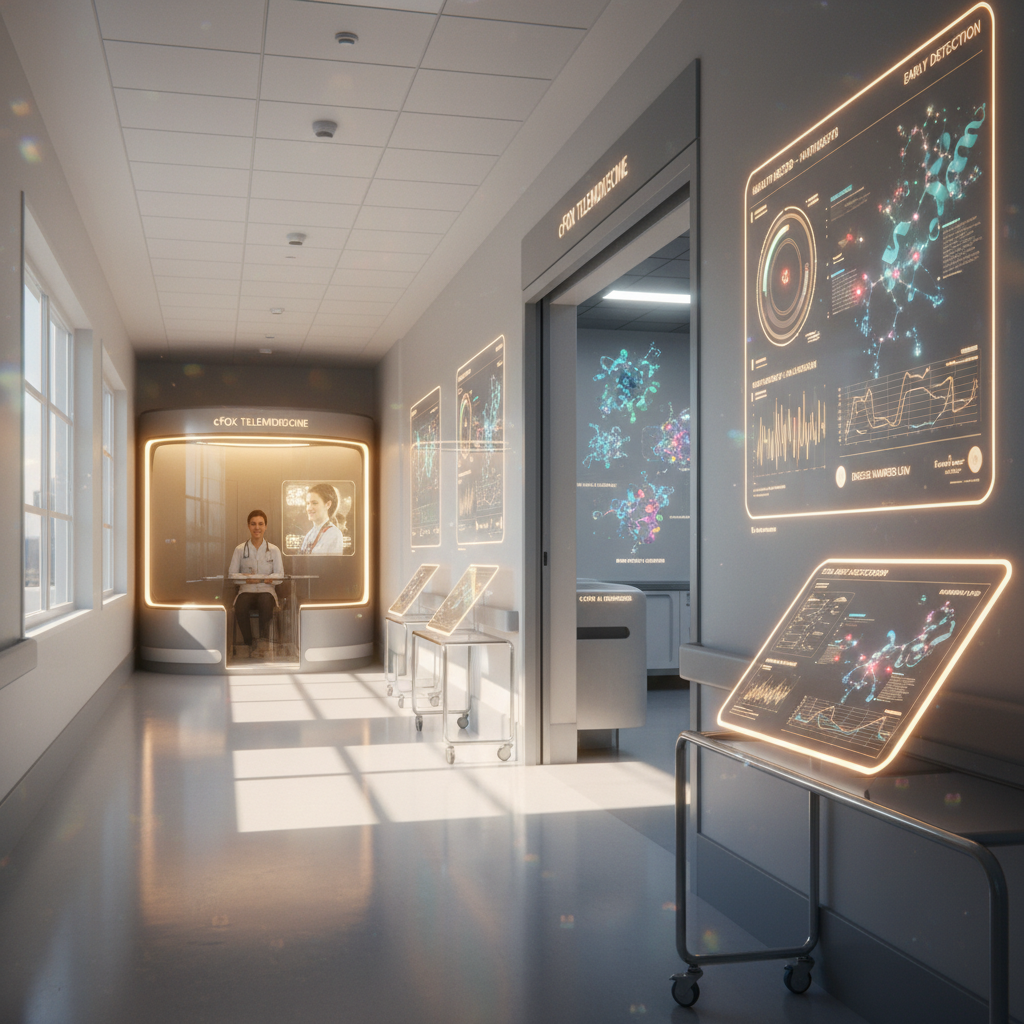
AI is transforming healthcare faster than ever before, offering breakthroughs that were once thought impossible. The technology is not just assisting doctors—it’s revolutionizing patient care in ways that save lives.
For example, AI-powered diagnostic tools can detect diseases like cancer with remarkable accuracy. A study from MIT found that an AI system could identify breast cancer in mammograms with 99% accuracy, outperforming human radiologists. This precision reduces false positives and ensures early treatment.
Telemedicine platforms are also leveraging AI to provide instant medical advice. Chatbots like Ada Health can assess symptoms and suggest next steps, reducing the burden on emergency rooms. In 2023, Ada Health reported a 40% increase in user consultations, showing how AI streamlines healthcare access.
AI’s potential in drug discovery is equally groundbreaking. DeepMind’s AlphaFold predicted protein structures with unprecedented accuracy, accelerating research for diseases like Alzheimer’s. This innovation cuts years off the traditional drug development process, potentially saving millions of lives.
Predictive analytics is another game-changer, using AI to forecast disease outbreaks. In 2020, BlueDot’s AI flagged COVID-19 clusters days before official reports, allowing early containment efforts. Such tools are critical for public health preparedness.
While AI brings immense benefits, ethical concerns remain. Biases in training data can lead to unequal healthcare outcomes. WHO emphasizes the need for transparent AI systems to ensure fairness across all populations.
AI is reshaping healthcare, but its success depends on responsible implementation. As technology advances, collaboration between AI developers and medical professionals will be key to unlocking its full potential while addressing ethical challenges.