
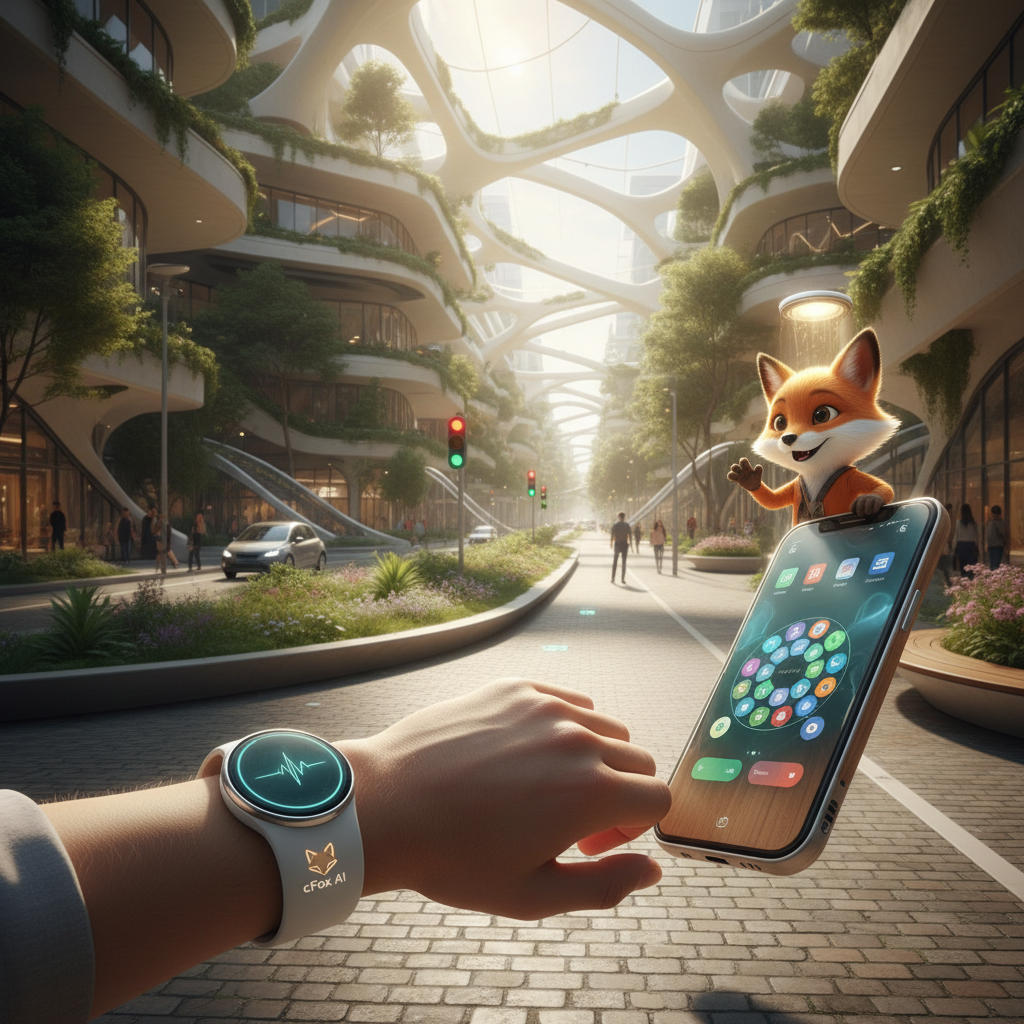
People are demanding technology that understands their needs before they even articulate them. This shift is transforming how products are designed and implemented.
Take the rise of adaptive interfaces, which adjust based on user behavior. Smartphones now learn how people use apps and reorganize menus for efficiency. For instance, Android’s Adaptive Icons rearrange frequently used apps for quicker access.
Wearable health devices exemplify this trend by monitoring vitals and suggesting adjustments. The Apple Watch detects irregular heart rhythms and prompts users to seek medical advice, demonstrating proactive health management.
Voice assistants like Alexa and Siri are evolving to anticipate requests. They analyze patterns to predict users’ next command, such as setting reminders based on past habits.
This human-centric approach extends to accessibility. Companies are integrating features like real-time captioning for the hearing impaired. Live Transcribe by Google provides instant text transcribing, breaking communication barriers.
Even urban planning is adopting human-centered tech. Smart cities use sensors to optimize traffic lights based on pedestrian and vehicle flow, reducing wait times and congestion.
The future of technology lies in its ability to adapt seamlessly to human needs, making interactions more intuitive and empowering.