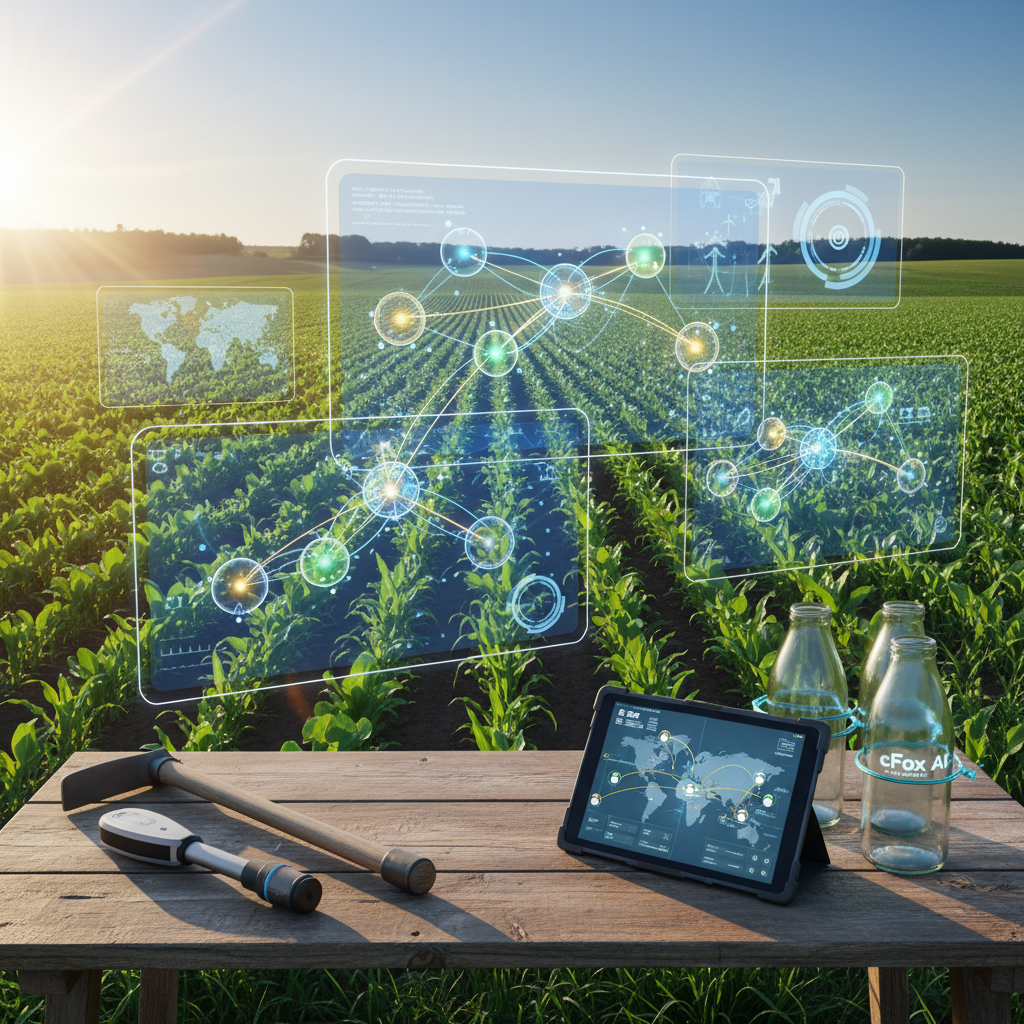
Blockchain technology is revolutionizing food safety by creating an unbreakable digital chain of custody. Every step of a food product’s journey, from farm to fork, is recorded and verified. This transparency ensures that any contamination can be traced back to its source in minutes, not days. For example, in 2018, Walmart partnered with IBM to use blockchain for tracking leafy greens. The system reduced traceability from days to just 2.2 seconds, a leap that could save lives during outbreaks. Foodborne illnesses cost the U.S. economy $15.6 billion annually.
Consumers are demanding more accountability from food producers. Blockchain provides this by offering immutable records that cannot be altered once recorded. In Europe, Nestlé used blockchain to trace its milk supply chain in Türkiye. The technology helped confirm ethical sourcing and reduce fraud. By 2025, 10% of global GDP is expected to be stored on blockchain technology.
Farmers and producers benefit from blockchain by gaining access to fairer markets. Smart contracts on blockchain platforms automatically enforce agreements when conditions are met, cutting out intermediaries. A coffee cooperative in Colombia used these contracts to ensure fair pay for farmers. Sensors on milk bottles in China alert consumers about freshness via blockchain, reducing waste.
Governments are taking notice of blockchain’s potential. The FDA has funded pilot programs to explore how blockchain can enhance food safety. In Japan, blockchain is being used to verify organic certifications. These initiatives aim to build trust in food systems worldwide.
Despite its promise, blockchain faces challenges. High costs and complex implementation hinder widespread adoption. However, the benefits outweigh the obstacles. Retailers like Carrefour and Tesco have already seen significant improvements in supply chain efficiency.
Blockchain’s impact on food safety extends beyond tracking. It empowers consumers, supports ethical practices, and strengthens global food security. The technology is still evolving, but its potential is undeniable.
The future of food safety lies in transparency and collaboration. Blockchain is leading the way by making every link in the supply chain visible and verifiable. As adoption grows, the world edges closer to a future where foodborne illnesses are a relic of the past.